

Sweeteners for the Confectionery Industry
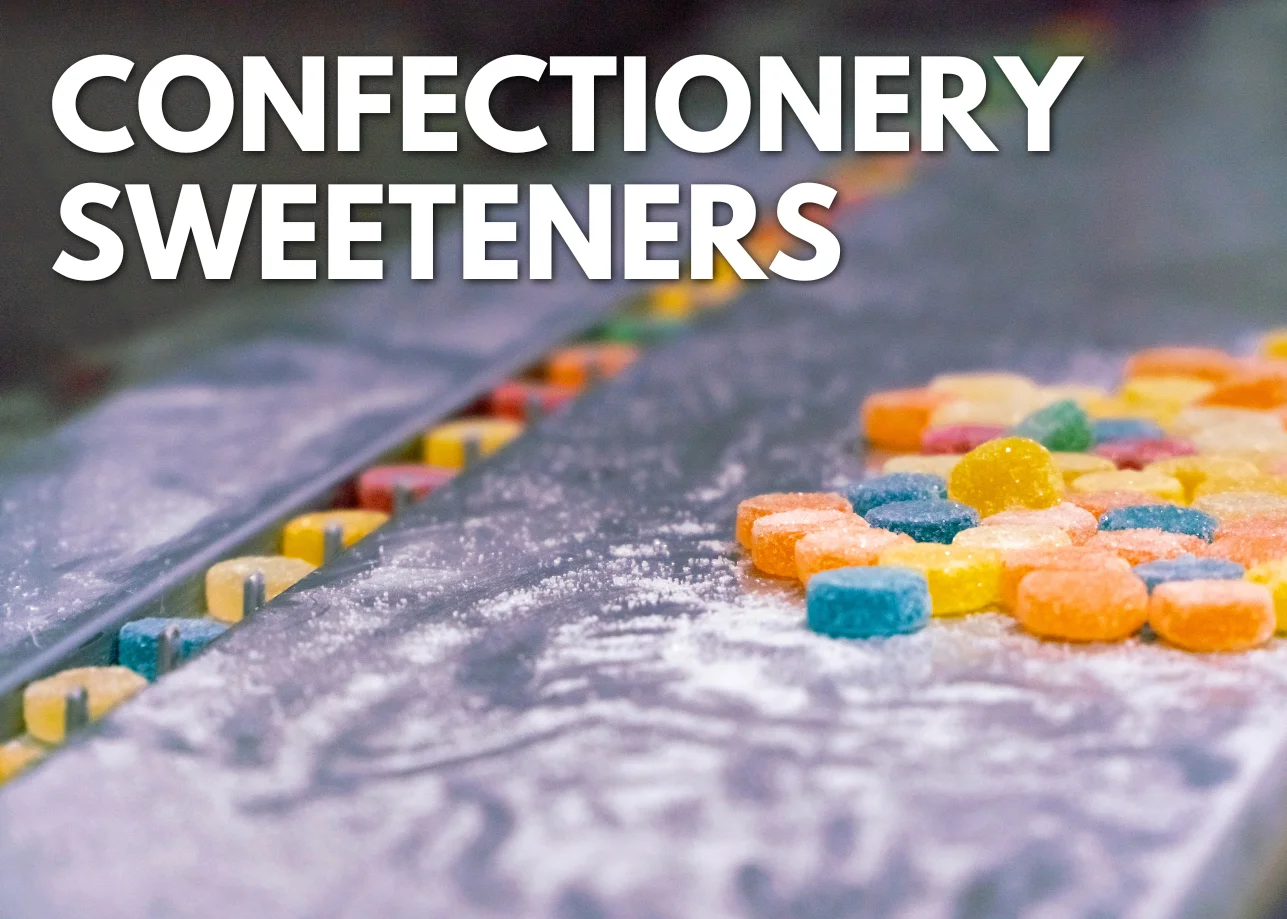
The confectionery industry is facing growing demand for reduced-sugar products, driven by increasingly health-conscious consumers who are mindful of their calorie intake yet unwilling to compromise on the taste of the original product. To meet this challenge, manufacturers are incorporating sweeteners into their formulations as a viable alternative to sucrose.
Which sweeteners are most commonly used in confectionery?
To meet these new demands, confectionery manufacturers have had to rethink their formulations and incorporate sweeteners that replicate the functional properties of sugar. The most widely used in the sector are:
- Sorbitol (E420): Retains moisture, making it particularly useful in gummies and chewy sweets, where maintaining a soft texture is essential.
- Isomalt: The benchmark polyol in hard confectionery. It withstands the high temperatures of the cooking process, does not readily recrystallise and preserves the characteristic transparency of boiled sweets and lollipops.
- Erythritol: A naturally derived polyol with virtually zero caloric value. It is used to provide bulk and structure in sugar-free formulations.
- Sucralose (E955): Being several hundred times sweeter than sugar, it is used in very small quantities alongside polyols to round out the sweetness profile without adding calories.
Technical requirements they must meet
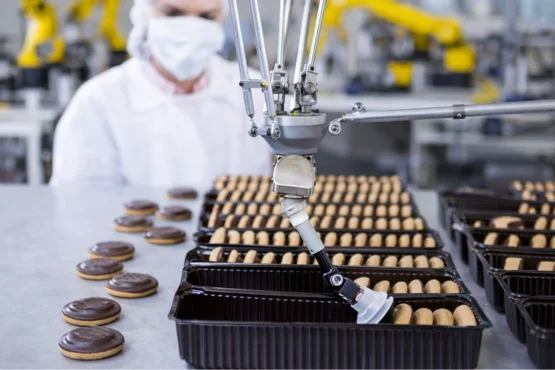
In addition to taste, sweeteners are selected for how they behave during the manufacturing process. In this respect, our sweeteners meet a number of key requirements:
- Thermal stability: Confectionery production involves high temperatures. Sweeteners must retain their properties during cooking, pulling and moulding without breaking down or losing effectiveness.
- Moisture control: Products such as hard sweets and panned confectionery are particularly sensitive to moisture. A sweetener that absorbs too much moisture can cause the product to become sticky and lose its shape prematurely.
- Bulk contribution: Removing sugar reduces the mass of the formulation. Polyols fill this gap, helping to maintain the structure of the final product.
- Clean flavour profile: In confectionery, flavour is everything. The sweeteners used must not leave a bitter aftertaste or interfere with the characteristic taste of each product.
Applications of sweeteners in confectionery
Sweeteners enable confectionery manufacturers to develop reduced-calorie products across a wide range of formats:
- Boiled sweets and lollipops: Formulated with isomalt, which withstands the high temperatures of the cooking process and prevents moisture absorption in the finished product.
- Gummies and gelatine-based products: Polyols such as sorbitol are used to provide the moisture and flexibility the mixture requires.
- Coatings and panned confectionery: Erythritol is applied during the panning process, delivering a crisp, uniform finish.
- Liquorice: Polyols are combined with high-intensity sweeteners such as sucralose to maintain sweetness and the characteristic elasticity of the paste without using sugar.
Looking for a sweetener supplier for confectionery manufacturing?
Having a reliable supplier that provides high-quality ingredients is a key factor for any confectionery manufacturer.
At BS Edulcorantes, we supply sweeteners to manufacturers across Europe, with batch sizes and quantities tailored to the needs of each industry.
- Call us: +34 948 816 753
- Email: info@bsedulcorantes.com