

Erythritol: Industrial Uses, Market Trends and Formats
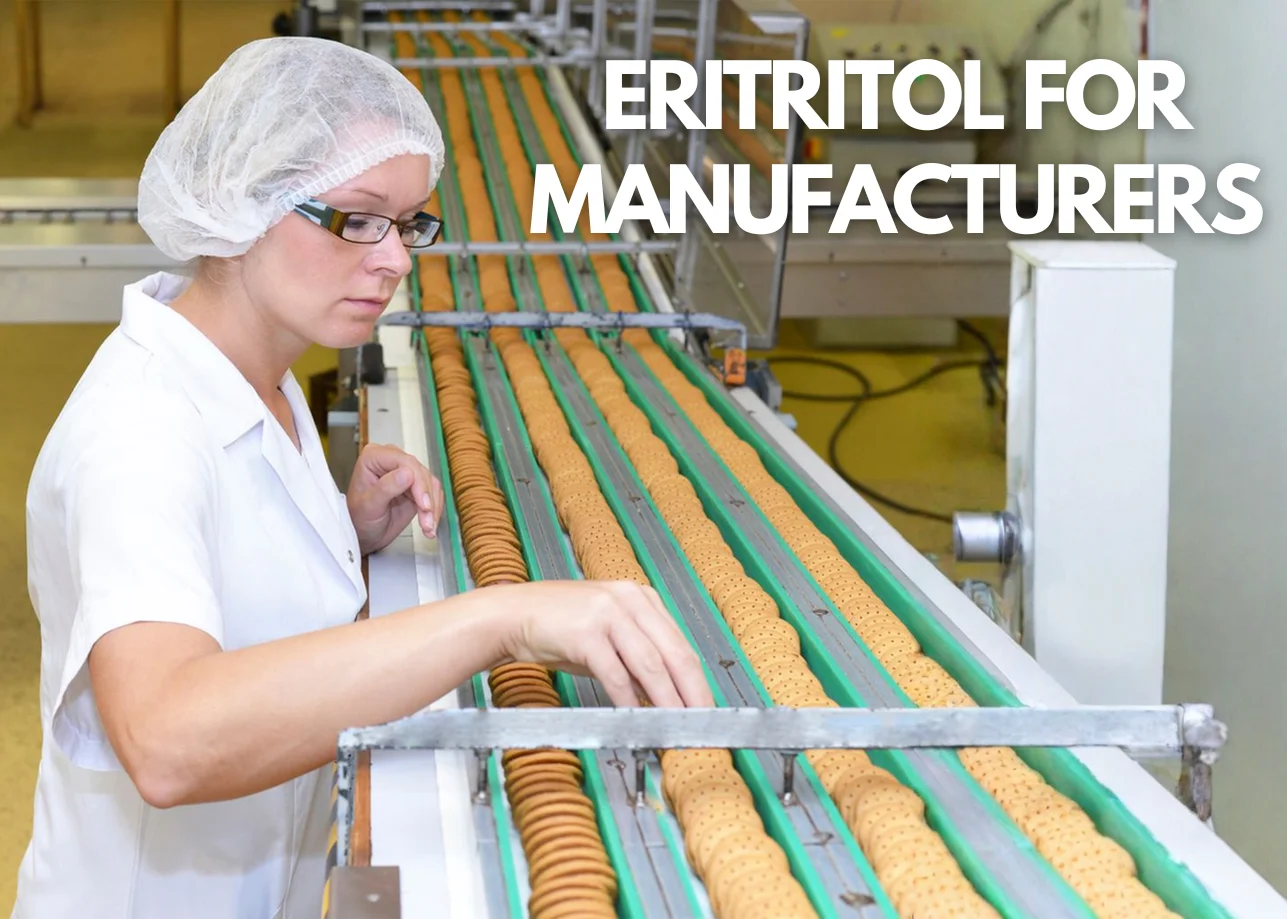
Erythritol (E968) has become one of the most widely used sweeteners in the food industry, and for good reason. It delivers around 70% of the sweetness of sugar with a virtually negligible caloric value (0.2 kcal/g), is produced through glucose fermentation, and is approved by the EFSA across the European Union, making it one of the most reliable options on the market.
Applications of erythritol
Thanks to its thermal stability, strong performance across different food matrices and compatibility with other sweeteners, erythritol is ideal for developing products such as:
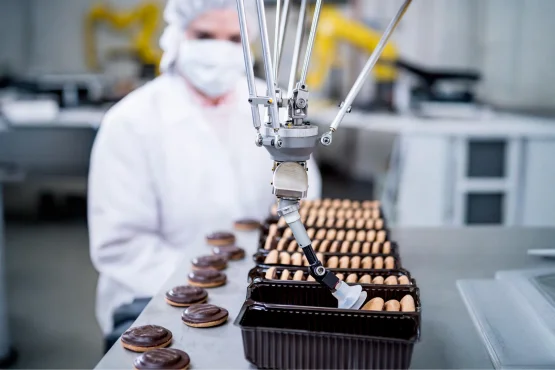
- Confectionery and chocolate: Helps improve product stability during storage by reducing moisture absorption.
- Beverages and soft drinks: Adds body and mouthfeel without contributing calories, and blends well with other sweeteners to fine-tune flavour.
- Bakery and pastries: Its thermal stability allows it to be used in baking processes without degrading the ingredient.
- Dairy products and desserts: As it is not fermentable by lactic bacteria, it does not alter the product’s microbiological profile.
Available erythritol formats
Erythritol is marketed in different formats to meet the logistical and production requirements of each manufacturer:
- 25 kg sacks: The most common format for manufacturers with moderate consumption levels. It facilitates manual handling and dosing in medium-scale production lines.
- 500 kg and 1,000 kg big bags: Designed for plants with higher production volumes. They reduce handling times and optimise storage space compared to individual sacks.
- Custom formats:For manufacturers with very high consumption levels and their own storage silos.
At BS Edulcorantes, we manufacture standard and bespoke sweetener blends based on erythritol
Market trends
Erythritol continues to gain ground in the food industry, driven by several trends that are boosting its demand:
- Growth of sugar-free products: Enables a sensory profile similar to sugar to be maintained without compromising taste.
- Perception as a natural ingredient: Erythritol is associated with a more natural origin, making it well suited to clean-label formulations.
- Popularity of low-carbohydrate diets: The rise of low-carb diets has significantly increased demand for sweet products with no glycaemic impact.
- Regulatory pressure: Taxes on sugary drinks and changes to nutritional labelling in Europe are accelerating reformulation in categories such as soft drinks, yoghurts and industrial baked goods.

Are you looking for an erythritol supplier for your company?
Choosing a reliable erythritol supplier is a key decision for food manufacturers.
At BS Edulcorantes, we supply erythritol to manufacturers across Europe, ensuring ingredient traceability, batch-to-batch consistency and the ability to respond to fluctuations in demand.
- Call us at: +34 948 816 753
- Email us at: info@bsedulcorantes.com