

The difference between cane sugar and beet sugar
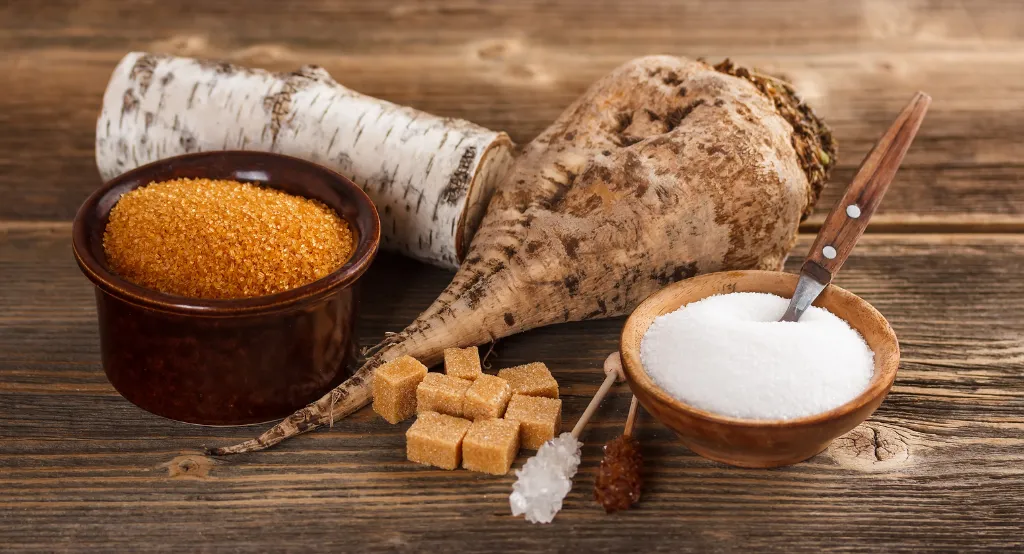
Cane sugar and beet sugar are found in many of the foods we eat every day, but how do they actually differ? Once refined, they are chemically identical, although they come from very different plants and cannot be used interchangeably in some industrial applications, such as liqueur production. We look at what sets them apart and how each is used.
What is the difference between ordinary beet sugar and cane sugar?
The main difference is where they come from: cane sugar is extracted from the stalk of the sugar cane plant (Saccharum officinarum) and beet sugar from the root of the sugar beet plant (Beta vulgaris). Once refined into white sugar, both are chemically identical: 99.9% sucrose.
| Beet sugar | Cane sugar | |
|---|---|---|
| Origin | Root of the sugar beet plant (Beta vulgaris) | Stalk of the sugar cane plant (Saccharum officinarum) |
| Composition (refined) | 99.9% sucrose | 99.9% sucrose |
| Taste | More neutral | A slightly more complex or caramel-like aftertaste |
| Use in the food industry | All applications, including liqueur production | All applications except liqueur production |
| Brown varieties | White sugar with added molasses | Unrefined brown sugar or genuine muscovado sugar |
- For consumers. Brown cane sugar has a deeper brown colour and a caramel flavour and is associated with higher-quality products.
- For manufacturers. Once refined, both perform in the same way in production. The exception is liqueur production, where beet sugar is used to prevent cloudiness in the finished product.
Where do cane sugar and beet sugar come from?
Each comes from a different plant, grown in very different climates:
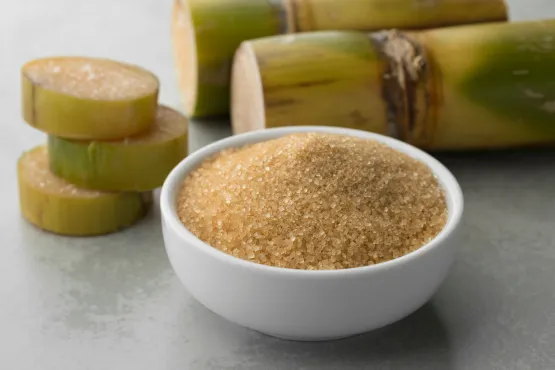
- Cane sugar: comes from the stalk of the sugar cane plant, which grows in tropical and subtropical climates. Initial processing may leave traces of minerals and a slight hint of molasses.
- Beet sugar: is extracted from the tuberous root of the sugar beet plant, a temperate-climate crop widely grown in Europe. The root is washed and sliced, then the sucrose is extracted by diffusion in hot water.
In both cases, the resulting juice is purified and crystallised to obtain sucrose.
Which sugar is healthier?
Both are chemically identical in their refined form. The difference lies in less refined cane sugar.
- Refined white sugar. Whether made from cane or beet, it is 99.9% sucrose, with the same calorie content (around 4 kcal per gram) and the same properties.
- Less refined cane sugar. It retains some of the cane molasses, which gives it a caramel flavour and provides small amounts of minerals such as calcium, potassium, magnesium, iron and sodium.
Industrial uses of each sugar
The same performance in almost every application
As they are chemically identical, cane sugar and beet sugar serve the same sensory and technical functions in the vast majority of applications.
- Drinks and soft drinks
- Dairy products
- Bread and pastries
- Jams and preserves
- Confectionery
The exception: liqueur production
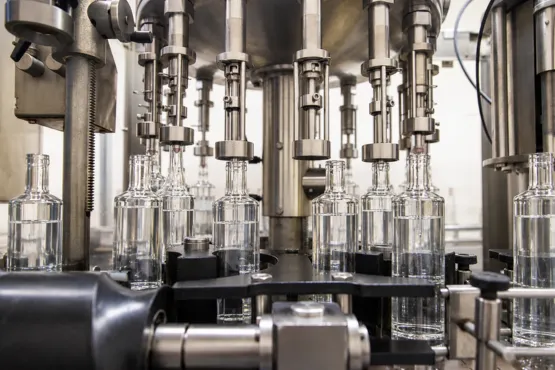
Liqueur production specifically uses beet sugar. The traces of minerals and molasses in cane sugar interact with alcohol and can cause cloudiness and even precipitates, which are particularly noticeable in colourless liqueurs.
- Colourless liqueurs
- Clear fruit liqueurs
- Aniseed-flavoured spirits
At BS Edulcorantes, we supply cane sugar and beet sugar to the food industry.
Looking for a cane sugar or beet sugar supplier?
At BS Edulcorantes, we supply cane sugar and beet sugar to manufacturers across the food industry, in both refined and less refined varieties.
We supply the formats and quantities you need for production. Contact us and we will put together a proposal for you:
- Call us on: +34 948 816 753
- Email us at: info@bsedulcorantes.com